The Rise of Robotic Vacuum Cleaners: A Comprehensive Overview
Robotic vacuum, once a high-end item primarily utilized by tech lovers, have actually ended up being a staple in lots of homes worldwide. Providing best automatic hoover and effectiveness in home cleaning, these automated devices provide a compelling solution for hectic people and households alike. This article looks into the world of robotic vacuum, exploring their functions, benefits, constraints, and the innovation that drives them.
Understanding Robotic Vacuum Cleaners
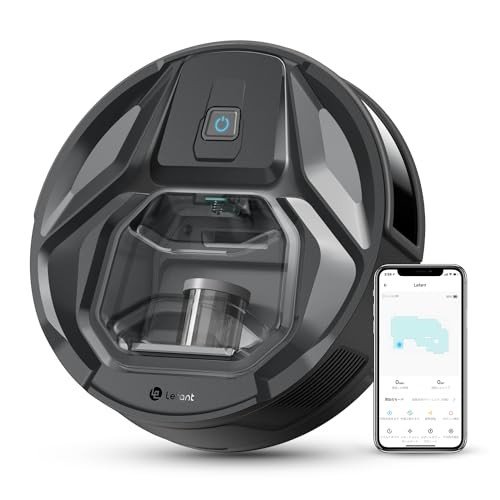
Robotic vacuum, frequently referred to simply as "robot vacuums," are small, disc-shaped makers created to immediately tidy floors. They are equipped with numerous sensors, brushes, and effective suction systems to guarantee they can browse around furniture and other barriers while collecting dirt, dust, and particles.
Key Features of Robotic Vacuum Cleaners
- Autonomous Operation: These vacuums can run independently, following a fixed cleaning schedule or reacting to commands by means of smartphone apps or voice assistants.
- Smart Navigation: Advanced models utilize algorithms and mapping innovation to browse around a home, adjusting their path based on room layout.
- Multiple Cleaning Modes: Many robotic vacuum can clean up in numerous modes, such as area cleaning for focused areas or edge cleaning for wall borders.
- Self-Emptying Capabilities: Some high-end models have a docking station that permits them to clear their dustbin automatically.
- App Integration: With Wi-Fi connection, users can manage their robot vacuum through a mobile app, allowing them to keep track of cleaning progress or set schedules from another location.
Advantages of Robotic Vacuum Cleaners
The increase in popularity of robotic vacuum can be credited to several benefits:
- Time-Saving: Automated cleaning allows users to free up their time for other activities.
- Convenience: Users can set their vacuums to clean on a set schedule, making sure a regularly tidy home without manual effort.
- Versatility: Robot vacuums can clean different floor types, including hardwood, tile, and carpet.
- Compact Design: Their little, low-profile design allows them to access narrow areas under furnishings that standard vacuums would miss out on.
Limitations of Robotic Vacuum Cleaners
Despite their lots of advantages, robotic vacuum cleaners likewise have some limitations:
- Price Range: High-quality designs can be rather costly, which might be a barrier for some customers.
- Battery Life: While numerous models can clean big locations, battery life may limit extended cleaning sessions, requiring a go back to the charger midway through.
- Minimal External Features: Unlike standard vacuums, many robotic designs may have a hard time with deep cleaning, particularly on high-pile carpets.
- Challenge Navigation: While they have advanced sensors, robotic vacuums can often get stuck on cords, carpets, and other little obstacles.
Popular Brands and Models
The market for robotic vacuum cleaners is crowded, however a couple of brand names stand out for their performance and features. Below is a comparison of some leading brands and their significant designs:
| Brand | Model | Key Features | Price Range |
|---|---|---|---|
| iRobot | Roomba i7+ | Automatic dirt disposal, advanced mapping and navigation, app control | ₤ 800 - ₤ 1,100 |
| Roborock | Roborock S7 | Synchronous mopping, laser mapping, effective suction, multi-floor cleaning | ₤ 600 - ₤ 750 |
| Ecovacs | Deebot Ozmo T8 | Mopping and vacuuming, challenge avoidance, home surveillance features | ₤ 700 - ₤ 950 |
| Neato Robotics | Neato D7 | D-shape style for edge cleaning, advanced navigation, numerous cleaning modes | ₤ 600 - ₤ 800 |
| Shark | ION Robot 750 | Cost effective, good suction, basic navigation | ₤ 350 - ₤ 500 |
The Technology Behind Robotic Vacuum Cleaners
While the concept of a self-cleaning device may appear futuristic, the technology utilized in robotic vacuums is based on well-developed concepts of automation and robotics. The following are essential parts that enable their operation:
- Sensors: Most robotic vacuums come geared up with a mix of infrared and cliff sensors to find walls, edges, and modifications in terrain. This avoids falls and navigates around barriers.
- Video cameras and Lidar: Advanced designs utilize cams or Lidar (Light Detection and Ranging) technology to develop comprehensive maps of the cleaning location, optimizing their cleaning course.
- Expert system: Many newer designs utilize AI and machine knowing algorithms, enabling them to evaluate cleaning patterns and enhance performance with each use.
FAQs about Robotic Vacuum Cleaners
Are robotic vacuum cleaners worth the investment?
Yes, many users find them to be a beneficial financial investment due to their capability to save time and maintain cleaner floors with minimal effort.
How do I keep my robotic vacuum?
Routine maintenance consists of clearing the dustbin, cleaning filters, and getting rid of any hair or particles from the brushes and wheels.
Can robotic vacuum cleaners handle pet hair?
Most designs are specifically designed to select up pet hair; nevertheless, users need to inspect product specs to guarantee efficiency for their specific requirements.
Do I require to be home for my robot vacuum to clean up?
No, lots of robotic vacuums can operate independently, enabling users to set up cleansings or control them remotely via an app.
How do I pick the right robotic vacuum?
Think about aspects such as floor type, household size, particular cleaning needs (like pet hair), wanted functions, and budget plan before making a decision.
Robotic vacuum represent an exceptional crossway of convenience and technology, supplying users with an efficient way to keep their homes. While there are constraints and different designs to consider, the developments in this field continue to make these automated gadgets a wise financial investment for modern-day living. As technology evolves, it can be expected that the abilities and price of robotic vacuums will just enhance, strengthening their place in the daily lives of consumers worldwide.